Introduction
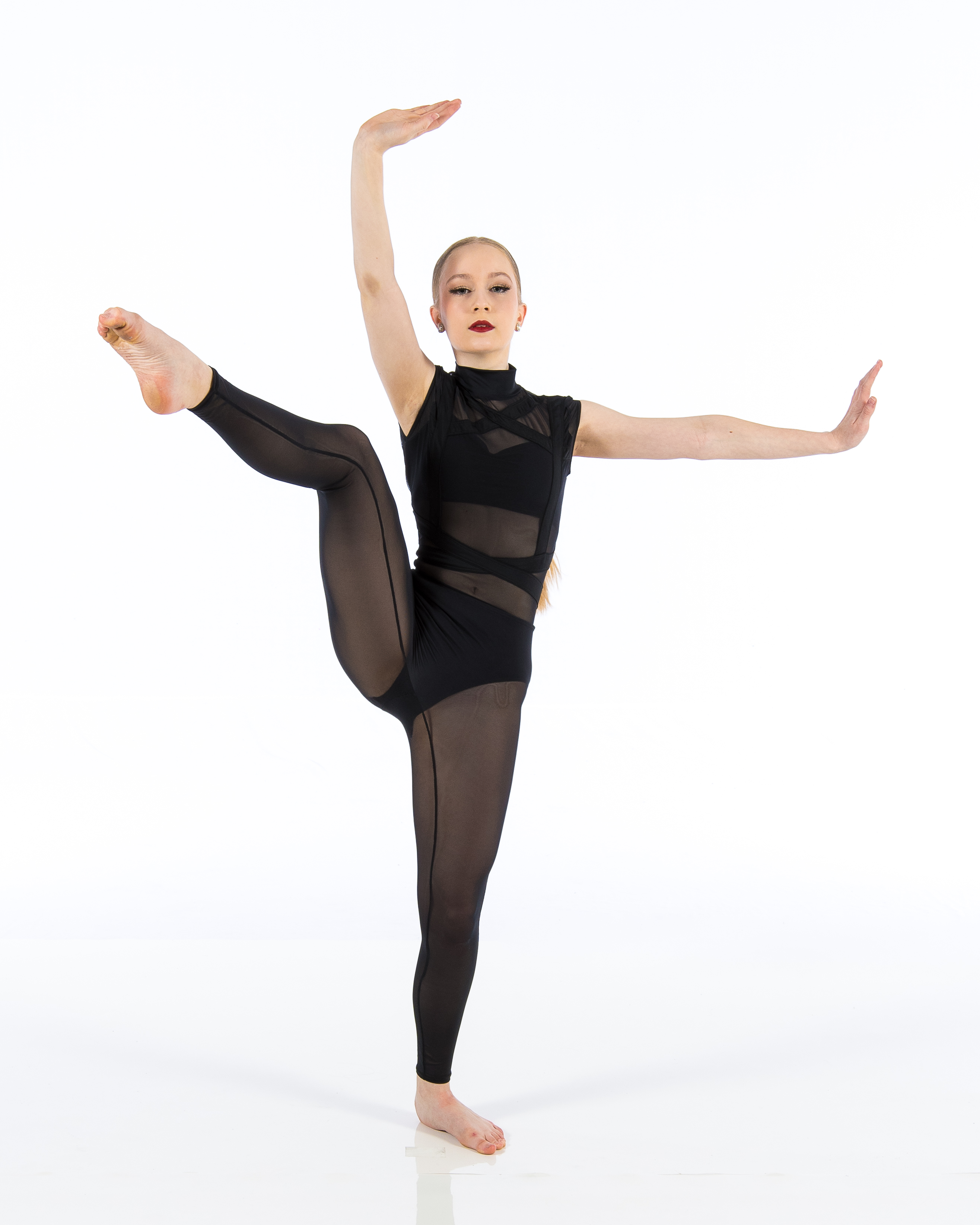
Dance is more than just a series of steps or movements; it’s a profound form of expression and an incredible boost to our self-esteem. When we step onto the dance floor, we don’t just learn how to move; we learn how to be confident in ourselves, our bodies, and our abilities. This article dives deep into The Art of Confidence Through Dance: Insights from the Academy Floor, shedding light on how dance academies cultivate confidence in students.
The Art of Confidence Through Dance: Insights from the Academy Floor
At its core, dancing is about storytelling. Each move conveys emotions that words often struggle to express. But why does this translate into increased confidence for many individuals? The answer lies in the structured environment of dance academies, where students not only learn to perform but also gain invaluable life skills.
Understanding Confidence
What is Confidence?
Confidence can be defined as the belief in one's abilities and judgment. It allows individuals to take risks, face challenges head-on, and embrace their uniqueness.
Why is Confidence Important?
Confidence plays a crucial role in personal growth. It affects how we interact with others, tackle new experiences, and view ourselves. In essence, it's a foundational element for success in various life arenas.
How Dance Cultivates Confidence
Physical Expression and Body Awareness
Dancing teaches individuals about their bodies—how they move, what they can achieve, and how to express themselves physically. This awareness builds body confidence.
- Improved Posture: Regular dance practice promotes better posture. Body Control: Learning complex routines enhances coordination. Stress Relief: Dance serves as a fantastic outlet for stress.
Overcoming Fear of Judgment
In dance academies, students frequently perform in front of peers and instructors. This exposure helps diminish performance anxiety over time:
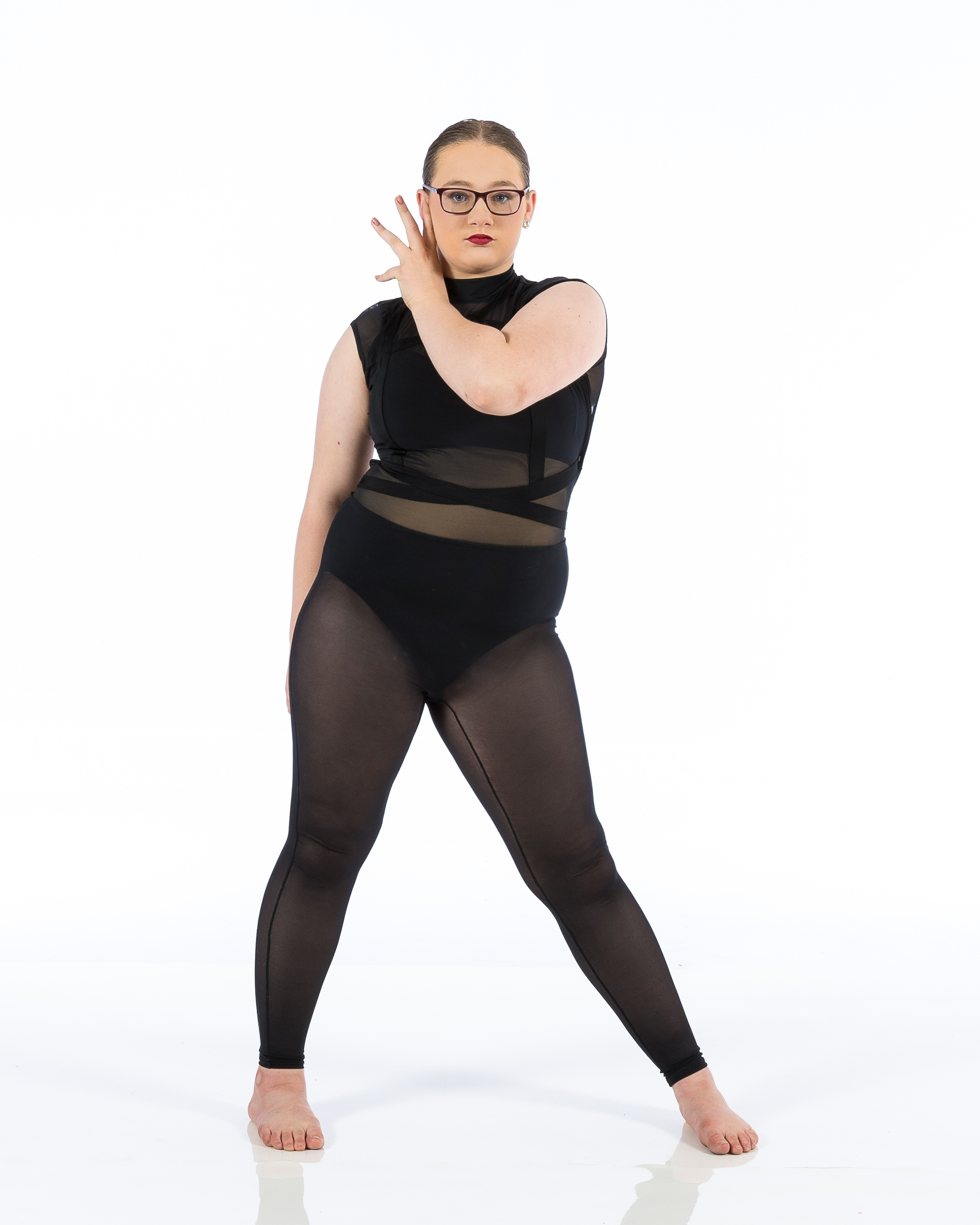
- Practice Makes Perfect: The more you perform, the easier it becomes. Constructive Feedback: Instructors provide valuable insights that help students improve without feeling judged.
The Role of Community in Building Confidence
Supportive Environment
Dance academies foster a sense of community among students. This supportive network encourages personal growth:
- Peer Encouragement: Students cheer each other on during performances. Collaboration Opportunities: Group dances teach teamwork and camaraderie.
Mentorship from Instructors
Instructors play a pivotal role in instilling confidence:
- Personalized Attention: They guide each student according to their unique strengths. Inspiration Through Leadership: Many instructors share their journeys, motivating students to overcome obstacles.
Exploring Different Dance Styles
Ballet: Grace Meets Discipline
Ballet instills discipline while promoting gracefulness.
- Posture and Poise: Developing these traits increases self-confidence. Expressive Movements: Ballet tells stories through fluidity.
Hip Hop: Embracing Individuality
Hip hop celebrates individuality and self-expression:
- Freestyle Opportunities: Dancers can showcase their personalities. Cultural Connection: Engaging with hip hop culture fosters belongingness.
Emotional Connection Through Dance
Music as Motivation
Music drives movement in dance; it evokes emotions and creates connections:
- Therapeutic Benefits: Listening to music while dancing can uplift mood. Emotional Release: Dancing can help process feelings that words cannot describe.
Building Resilience through Dance Challenges
Facing Setbacks
Every dancer encounters challenges along their journey:
- Mistakes Are Learning Opportunities: They help develop resilience. Goal Setting: Achieving small goals fosters a sense of accomplishment.
Conclusion on The Art of Confidence Through Dance: Insights from the Academy Floor
In conclusion, dance offers an unparalleled avenue for building confidence through physical expression, community support, mentorship, and emotional connection. By embracing various styles within a structured environment like a dance academy, individuals not only enhance their dancing skills but also cultivate inner strength that transcends beyond the studio floor. So whether you're stepping into your first class or are an experienced dancer looking to reignite your passion—remember that confidence isn’t just about being perfect; it's about embracing yourself fully on every step you take.
Frequently Asked Questions (FAQs)
1. Can anyone learn to dance regardless of age?
Absolutely! Dance is for everyone—no matter your age or skill level. Many academies offer classes tailored for all ages!
2. How does dancing help with anxiety?
Dancing provides an outlet for expressing emotions physically which can alleviate stress and anxiety levels significantly.
3. Do I need prior experience before joining a dance academy?
Not at all! Most academies welcome beginners with open arms—everyone starts somewhere!
4. What's the best way to choose a dance academy?
Look for one that aligns with your interests! Read reviews online or take trial classes before making your decision.
5. How often should I practice to see improvements?
Consistency is key! Aim for at least two to three classes per week along with practice at home if possible.
6. Is competition necessary for building confidence through dance?
While competitions can be beneficial for some dancers by providing performance opportunities, they are not essential for everyone’s Hip Hop Dance Class https://www.dotyperformance.com https://www.dotyperformance.com/staff growth journey.
This journey into The Art of Confidence Through Dance: Insights from the Academy Floor showcases how powerful movement can be—not just for our bodies but also for our minds and spirits too! So lace up those shoes and hit the floor; your journey awaits!